

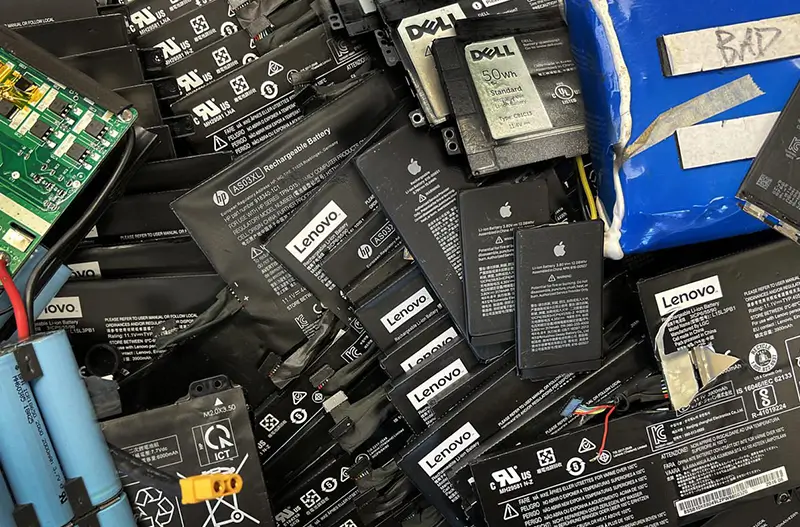
In the shift toward cleaner energy and smarter technology, one component stands out as both a challenge and a game-changer: energy storage. Whether it’s to power electric vehicles, store solar power for homes, or keep data centres running smoothly, batteries are at the heart of modern energy infrastructure. But as demand grows, so does the need to make battery technology more sustainable—both in how they’re made and how they’re disposed of.
Let’s explore how the future of energy storage is being reshaped by innovative, eco-conscious battery solutions—and what that means for our planet.
Why Energy Storage Matters More Than Ever
Renewable energy sources like wind and solar are vital to reducing global carbon emissions. But they don’t provide consistent energy around the clock. That’s where energy storage systems come in—storing excess power when the sun shines or the wind blows, and releasing it when needed.
This energy balance is crucial not only for homes and cities but also for industries, hospitals, and transportation systems. And as the world electrifies, energy storage demand is expected to skyrocket—making sustainable battery design and management more important than ever.
The Hidden Cost of Batteries
Today, lithium-ion batteries dominate the market due to their high efficiency and energy density. But they come with an environmental cost. Mining for raw materials like lithium, cobalt, and nickel requires intensive labour, consumes vast amounts of water, and often leaves behind toxic waste.
Additionally, when batteries aren’t properly recycled, they contribute to landfill waste and can release harmful substances into the environment. Without a clear end-of-life strategy, we risk replacing one environmental problem with another.
Innovations Driving Sustainable Battery Solutions
Fortunately, industries, researchers, and startups across the globe are tackling these issues head-on. Here are some of the most promising advancements:
1. Next-Gen Battery Chemistries
Alternative battery types such as solid-state, sodium-ion, and lithium-sulfur are emerging as greener options. These batteries use more abundant, less toxic materials and offer greater safety and longevity, reducing environmental impact over time.
2. Second-Life Applications
Before batteries are fully recycled, many can be repurposed for second-life uses—like storing solar energy for homes or powering low-demand devices. This extends their usefulness and delays the need for disposal.
3. Eco-Friendly Manufacturing
Companies are working on cleaner manufacturing methods, such as water-based electrode production, reduced energy input, and closed-loop systems that use recycled battery materials.
4. Smarter Battery Management Systems (BMS)
Advanced BMS technologies can optimize battery performance and lifespan, ensuring batteries last longer and are replaced less often—reducing the need for new materials and waste.
5. Recycling Tech Breakthroughs
New hydrometallurgical and direct recycling techniques are allowing for greater recovery of battery-grade materials at lower energy costs, making recycling more viable and scalable.
The Business Case for Sustainability
Beyond environmental benefits, there’s a strong economic incentive to invest in sustainable battery practices. Companies that build recycling and circular supply chains can:
-
Lower material procurement costs
-
Strengthen brand reputation
-
Attract sustainability-focused investors
-
Comply with evolving global regulations on e-waste and carbon emissions
Sustainable battery innovation is not just good for the planet—it’s smart business strategy in a world increasingly shaped by ESG benchmarks and consumer expectations.
What Lies Ahead?
As technology continues to advance, the future of energy storage is likely to be cleaner, smarter, and more circular. We can expect:
-
Governments to enforce stronger recycling mandates
-
Global supply chains to shift toward reclaimed materials
-
Consumer demand for sustainable electronics and EVs to rise
-
New career and innovation opportunities in battery lifecycle management
Final Thoughts
Batteries are more than just power sources—they’re enablers of the clean energy future. But if we want that future to be truly sustainable, we need to rethink the entire battery lifecycle—from sourcing and production to use, reuse, and recycling.
The next generation of energy storage must be sustainable by design. And with innovation, regulation, and industry commitment working together, that goal is well within reach.