

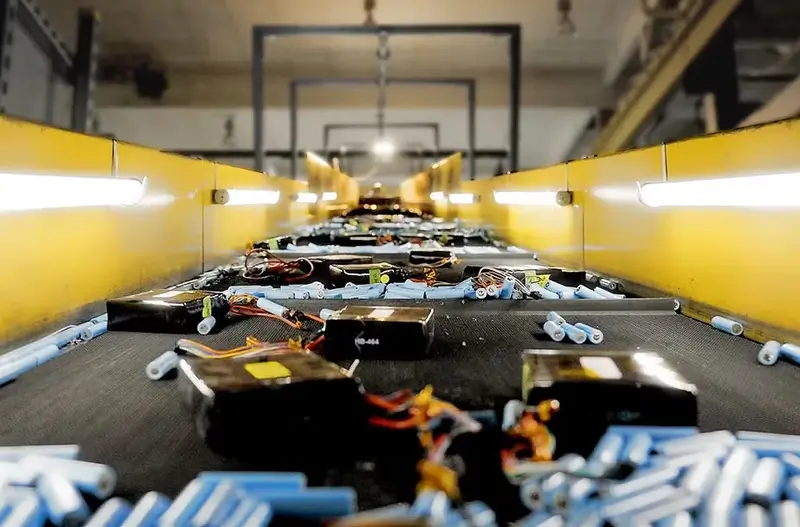
In an age where clean energy and sustainability are more than just buzzwords—they’re global priorities—lithium-ion batteries have become part of our everyday lives. They power everything from our phones and laptops to electric vehicles and solar power storage systems. But while these batteries help us move toward a greener future, there’s another side to the story: what happens when they reach the end of their life?
Recycling lithium-ion batteries isn’t just a good idea—it’s essential. It helps protect the environment, preserves valuable resources, and supports a circular economy that’s built for the future.
Lithium-Ion Batteries: Powering the Modern World
Thanks to their high energy density and efficiency, lithium-ion batteries have become the go-to power source for a wide range of applications. From electric cars and public transit to home energy storage and industrial equipment, their role is growing fast.
But behind the clean energy image lies a reality that’s easy to overlook: the environmental cost of producing and disposing of these batteries. Mining the raw materials needed—like lithium, cobalt, and nickel—has serious environmental and ethical implications, especially in regions where regulations are loose or absent.
The Problem with Battery Waste
When lithium-ion batteries aren’t recycled properly, they can pose serious risks. Dumped in landfills, they may leak toxic metals into the soil and water. In worst cases, they can even catch fire or explode due to unstable chemicals inside.
On a larger scale, the issue grows more urgent. With millions of batteries reaching end-of-life every year, improper disposal adds to pollution, resource loss, and environmental degradation.
Why Recycling Matters More Than Ever
1. It Saves Critical Resources
Lithium-ion batteries contain metals that are finite and expensive to mine. Recycling helps recover valuable materials like lithium, cobalt, and nickel, allowing them to be reused in new batteries—cutting down the need for fresh extraction and easing pressure on the earth.
2. It Reduces Environmental Harm
Recycling batteries is far less damaging than mining raw materials. It uses less energy, produces fewer emissions, and prevents toxic substances from leaking into the environment. It’s one of the easiest ways to minimize the battery industry’s carbon footprint.
3. It Fuels the Circular Economy
Rather than follow a “take, make, dispose” model, battery recycling supports a circular system where materials are reused, remanufactured, and kept in the supply chain. This not only reduces waste but also supports long-term sustainability.
4. It Strengthens Resource Security
As demand for batteries grows, so does the demand for rare and strategic materials. Recycling helps nations and companies secure a more stable, domestic supply of essential materials—reducing dependency on imports and geopolitical risks.
5. It Creates Green Jobs
A well-developed battery recycling industry can generate thousands of new jobs in collection, logistics, dismantling, processing, and technology development. It also encourages innovation in cleaner, safer recycling technologies.
Roadblocks to Widespread Recycling
Despite its benefits, battery recycling still faces some real challenges:
- Lack of universal recycling infrastructure
- Complex battery designs that are hard to dismantle
- Low public awareness and limited return programs
That said, things are starting to shift. Governments are introducing regulations that hold manufacturers responsible for battery disposal. Some companies are investing in battery return incentives and new recycling plants. And awareness is slowly growing.
Looking Ahead
If we’re serious about creating a cleaner, more sustainable world, we have to think beyond just how we generate power—we also need to think about how we manage its byproducts. Recycling lithium-ion batteries is a crucial part of that.
It’s about more than just waste management. It’s about making sure today’s green technologies don’t become tomorrow’s environmental problems.
The path to a greener future doesn’t end with clean energy—it continues through responsible recycling. The sooner we embrace that, the better off our planet will be.