
In an age defined by rapid technological advancement, electronic devices have become deeply woven into our everyday lives. From smartphones and laptops to refrigerators, televisions, and smart appliances, we rely on electronics for convenience, communication, work, and entertainment. But what happens when these devices stop working or become outdated? That’s where e-waste, or electronic waste, enters the picture—and it’s becoming one of the fastest-growing environmental challenges in the world today.
Understanding E-Waste: What Does It Include?
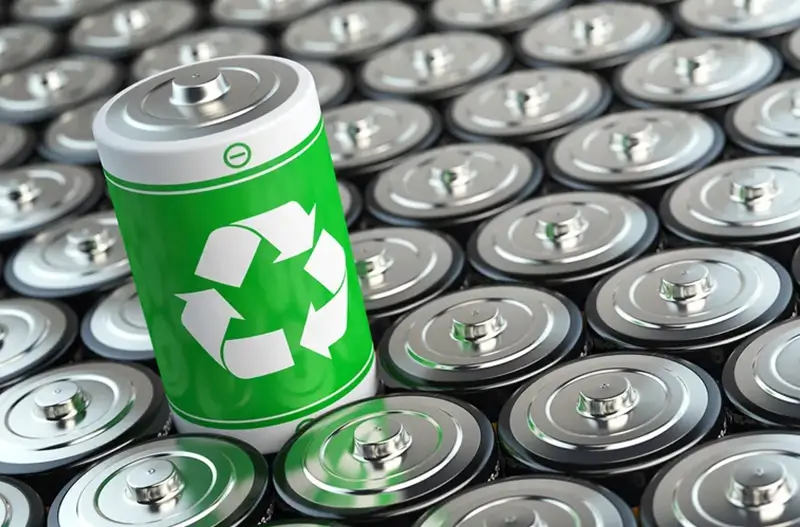
E-waste, short for electronic waste, refers to discarded electrical or electronic devices. It includes everything from small gadgets like mobile phones, tablets, and chargers, to larger appliances such as computers, televisions, washing machines, and industrial equipment. Even batteries and circuit boards are part of the e-waste stream.
Many of these devices contain hazardous substances like lead, mercury, cadmium, and flame retardants, which pose serious environmental and health risks if not handled properly. At the same time, e-waste also holds valuable materials such as gold, copper, silver, and rare earth metals—making it both a threat and an opportunity.
The Global E-Waste Crisis
According to the Global E-Waste Monitor, the world generated over 62 million metric tons of e-waste in 2022, and less than 20% of it was formally recycled. The rest? Often ends up in landfills, informal dump sites, or gets incinerated—polluting the air, soil, and water.
This growing volume of waste is driven by:
-
Shorter product life cycles
-
Rapid consumer upgrades
-
Lack of repair options
-
Increasing dependence on electronics across all sectors
Without proper recycling, toxic components seep into the environment while valuable resources go to waste.
Why Is E-Waste Recycling So Important?
1. Protecting the Environment
When dumped improperly, e-waste can release harmful chemicals that contaminate ecosystems. Recycling helps safely extract and manage hazardous materials, preventing air and water pollution and reducing greenhouse gas emissions from landfills.
2. Recovering Valuable Resources
E-waste is rich in metals like gold, silver, copper, and palladium. Through recycling, these can be recovered and reused, reducing the need for raw material mining—which is energy-intensive and environmentally damaging.
3. Reducing Landfill Waste
As the volume of e-waste grows, so does the burden on landfills. Recycling helps divert electronic products from landfill sites, extending their life through reuse, repurposing, or safe material recovery.
4. Creating Green Jobs
A growing e-waste recycling industry creates employment opportunities in sorting, dismantling, logistics, processing, and technology development—contributing to sustainable economic growth.
5. Supporting the Circular Economy
E-waste recycling is a key pillar of the circular economy—an approach that keeps products, components, and materials in use for as long as possible. This not only conserves resources but also reduces carbon emissions and manufacturing costs.
Challenges to Effective E-Waste Recycling
While the benefits are clear, several challenges stand in the way of efficient e-waste management:
-
Lack of public awareness
-
Inadequate recycling infrastructure
-
Informal and unsafe recycling practices in many developing countries
-
Difficulty in disassembling complex devices
To overcome these, we need strong policies, industry responsibility, and consumer participation.
What Can You Do?
As a business or individual, you can play a part in reducing the e-waste burden:
-
Donate or resell old electronics that still work
-
Choose repair over replacement when possible
-
Recycle through certified e-waste collection centres
-
Support brands that use recycled materials and offer take-back programs
-
Advocate for better policies and awareness in your community
Conclusion
E-waste may seem like a hidden issue, but it’s one of the defining environmental challenges of our time. With the right strategies, responsible recycling, and collective action, we can transform this challenge into an opportunity—protecting our planet while reclaiming precious resources.
Recycling e-waste isn’t just good practice—it’s essential for a smarter, cleaner, and more sustainable future.